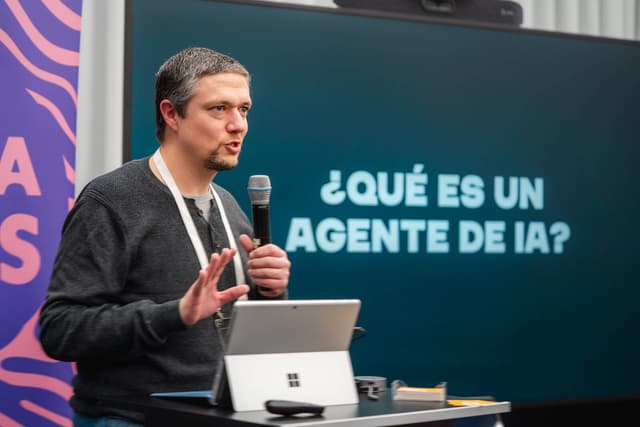
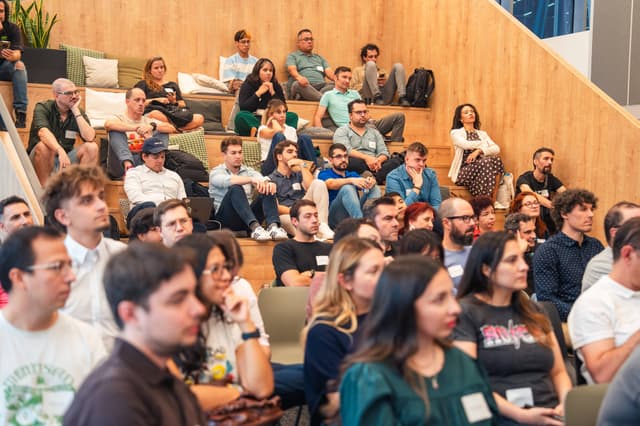
From one-off event to ecosystem: building community from the roots
What we learned running meetups between Madrid and the Vega Baja.
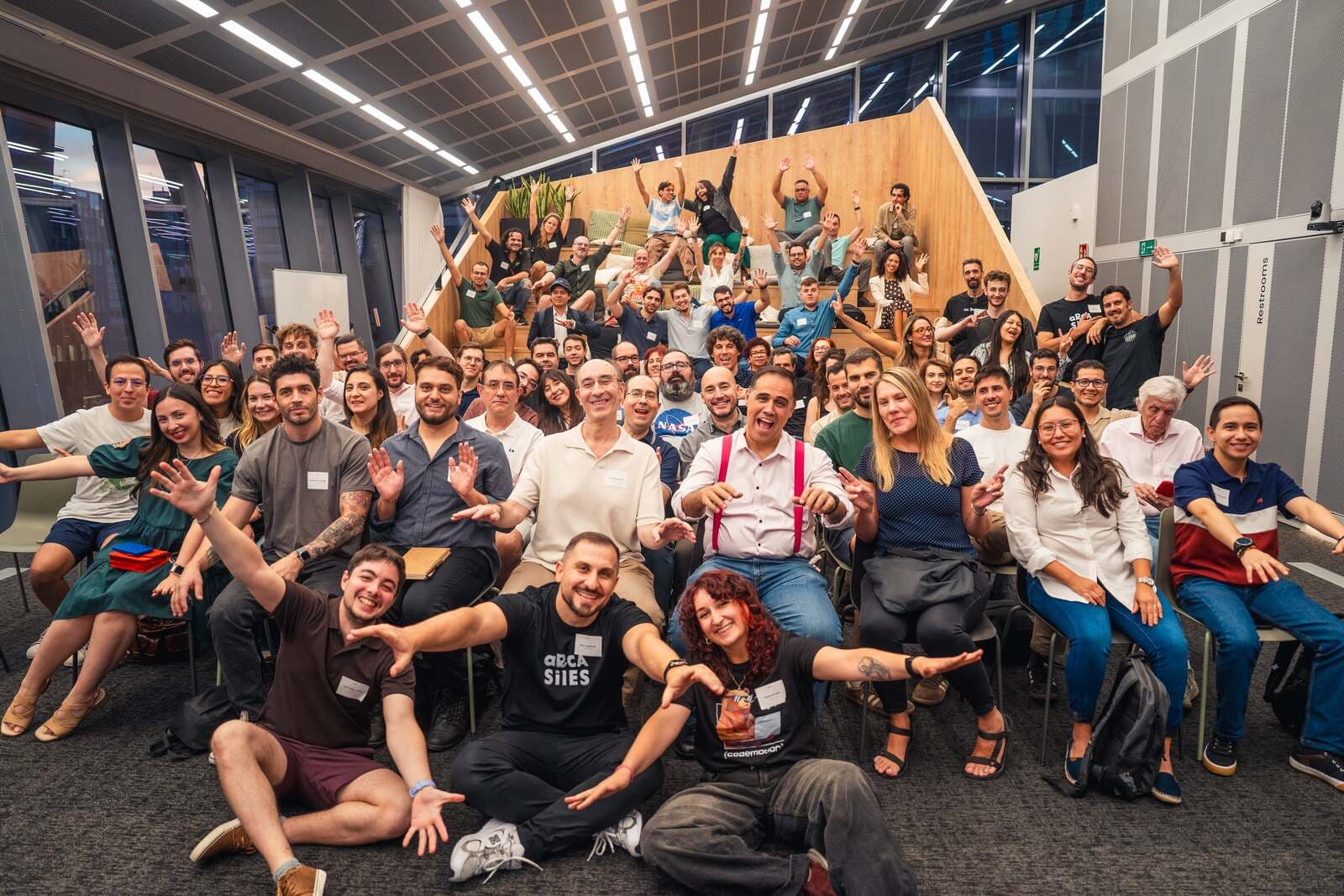
The first Arcasiles gathering was a room with twenty chairs and nine people. Two walked in by mistake looking for something else. One stayed until the end and organises with us today.
For months we measured what everyone measures: sign-ups, attendance, photos. And for months the community was a series of separate events that were born and died in the same week.
The event is the peak, not the ground
An event is measured by what happens inside the room. A community is measured by what keeps happening once the chairs are stacked. It took us a while to get it, because an event gives you a nice number the same day and a community gives you none.
The question that changed everything was simple: instead of how many came, how many came back. And of those who came back, how many brought someone. With that number in front of you the decisions sort themselves out: the venue matters less than the time, the poster matters less than who tells you about it, and the coffee afterwards matters more than the talk.
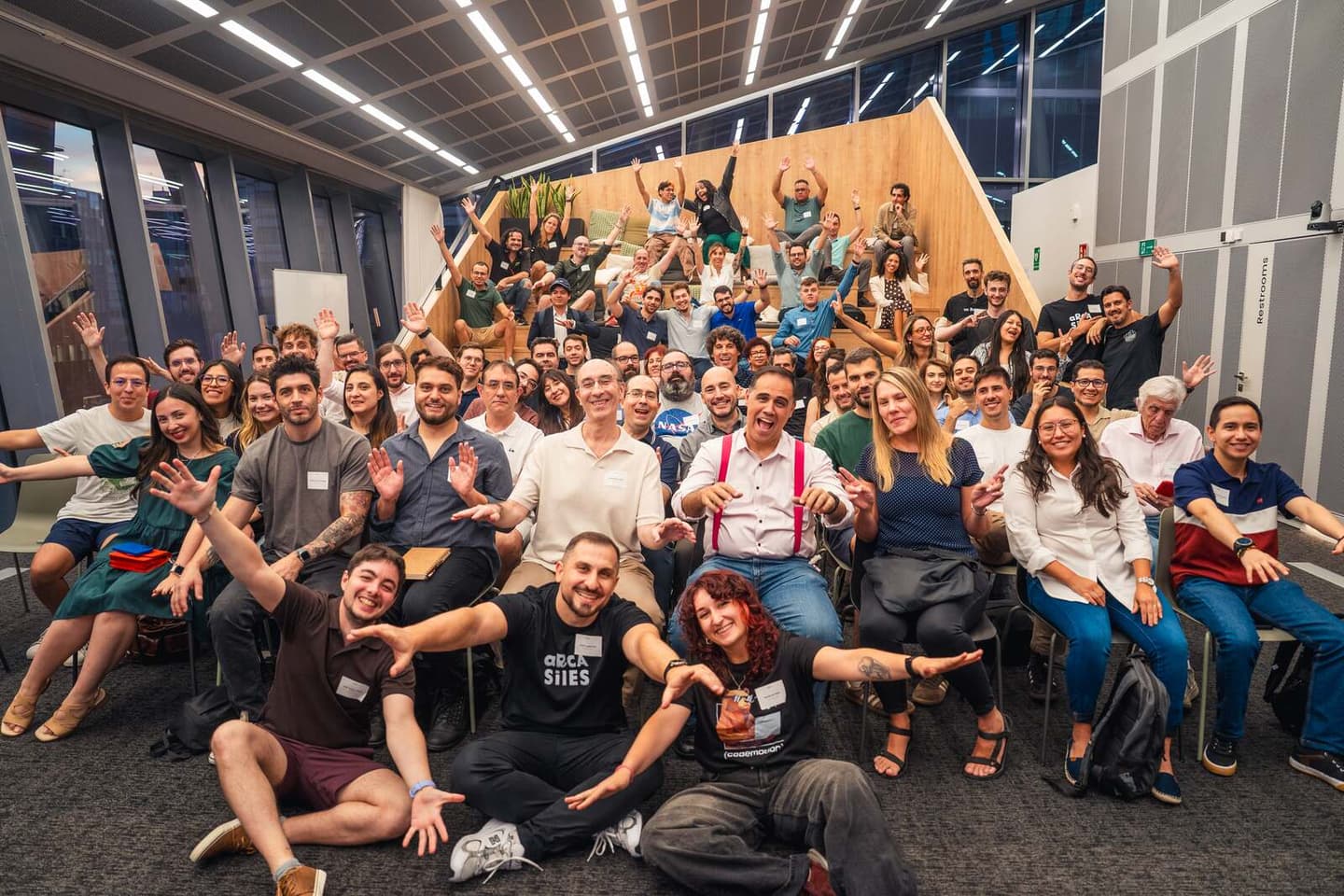
Madrid and the Vega Baja are not two markets, they are two rhythms
In Madrid an event fills in forty-eight hours and is forgotten in another forty-eight. In the Vega Baja you have to announce it a month ahead, and whoever comes comes with family and stays for dinner. Treat both places the same and you fail at both.
We learned to write two calendars, two emails and two ways of telling the same story. Las Noches de Arcasiles would not exist under Madrid logic: there the format works because the distance is short and people already know each other.
A community does not grow when you fill the room. It grows when someone brings another person without being asked.
What we would do again
Close the venue before the date. Picking a place you can walk to from the metro changes attendance more than any campaign. It happened at Celonis: people show up because the place is not a chore to reach.
- A small event every month is worth more than a big one every quarter.
- Keep the contacts of everyone who came and write to them before the next one, not after.
- Always record it, even on a phone: half the community cannot attend, and that half counts too.
And what we would not repeat: announcing speakers before the date is locked. One drops out and the whole event loses its point with the room already booked.
Get the next one by email.
One email a month with what's new on the blog and the agenda. No spam.